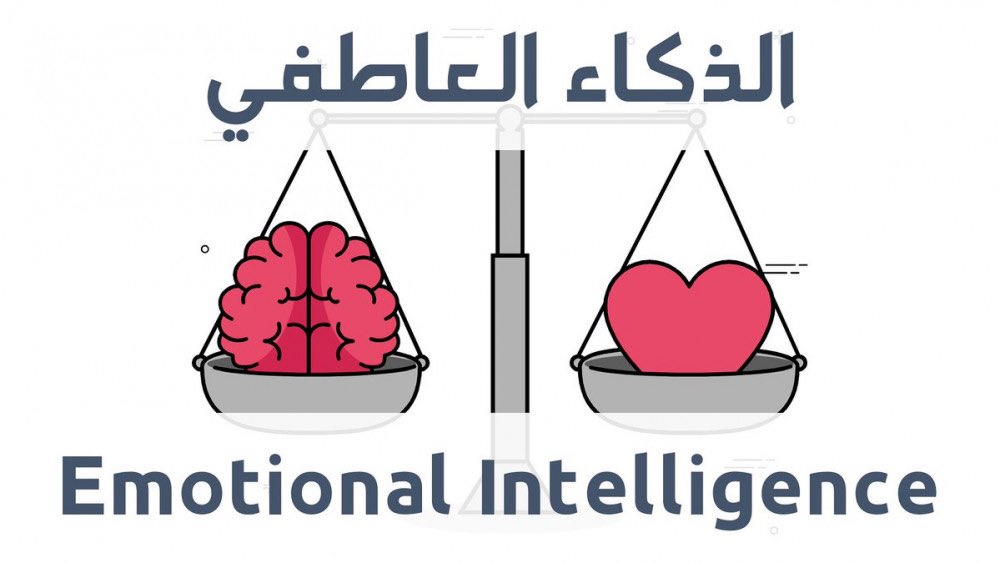
A relationship may begin with attraction and strong emotions, but sustaining it requires something deeper. Healthy relationships are built on mutual understanding, respect, and the ability to express needs without fear or dismissal.
One common challenge is believing that love alone can resolve every disagreement. Yet even sincere feelings cannot replace clear communication, personal responsibility, or a willingness to listen to a different perspective.
Balance becomes visible when one partner is not solely responsible for showing care, initiating conversations, or repairing conflicts. A relationship is not a competition over who gives more; it is a shared space where both people contribute to building and maintaining trust.
Differences do not necessarily mean that a relationship is failing. People may express affection differently or have different needs and expectations. Approaching these differences with honesty and respect gives the relationship an opportunity to grow.
Practical steps include expressing needs directly, listening without interrupting, establishing healthy boundaries, apologizing when necessary, and avoiding silence or manipulation as ways to punish a partner.
Ultimately, the quality of a relationship is not measured by the absence of conflict, but by the ability to navigate disagreements without dismissing either person's feelings or dignity.
A mature relationship is not a perfect one. It is one in which both people feel heard, respected, and able to grow together.