Is Knowing What Is Right Enough to Make Us Do It?
How many times have we decided to change a habit that harms us, only to find ourselves slipping back into it?
How often have we realized that certain behaviors drain our energy, yet continued to engage in them?
We know a great deal about the things we need to change in our lives, but knowledge does not always translate into action.
So, what stands between what we know and what we actually do?
Do We Truly Know Ourselves?
“Perhaps the greatest danger we face is not a lack of self-knowledge, but the belief that we know ourselves completely.”
Sometimes, we believe we understand the motivations behind our behavior, when in reality, we see only part of the truth.
Imagine someone who loves helping others and considers generosity an essential part of their values and character. Yet, they continually agree to other people's requests, even when they are exhausted or simply unable to help.
They are convinced they do so out of genuine kindness.
But what if they discovered that some of their giving was motivated not only by compassion, but also by a fear of being rejected by others?
This realization does not diminish their kindness, nor does it mean their help was insincere. Instead, it reveals another motivation they had not previously recognized.
Sometimes, we do not deceive ourselves with something false, but with something that is true yet incomplete.
Why Don't We Change the Moment We Discover the Truth?
Because understanding a problem does not mean we are immediately able to overcome it.
A person may recognize their fear of rejection and still continue saying yes to things they do not want to do, because fear does not disappear simply because we understand its causes.
This is where a new phase begins: moving from awareness to practice.
However, conscious change does not mean always doing what we want or refusing everything that makes us feel tired or uncomfortable.
There is a difference between fulfilling responsibilities because they align with our values and making sacrifices because we fear other people's judgment.
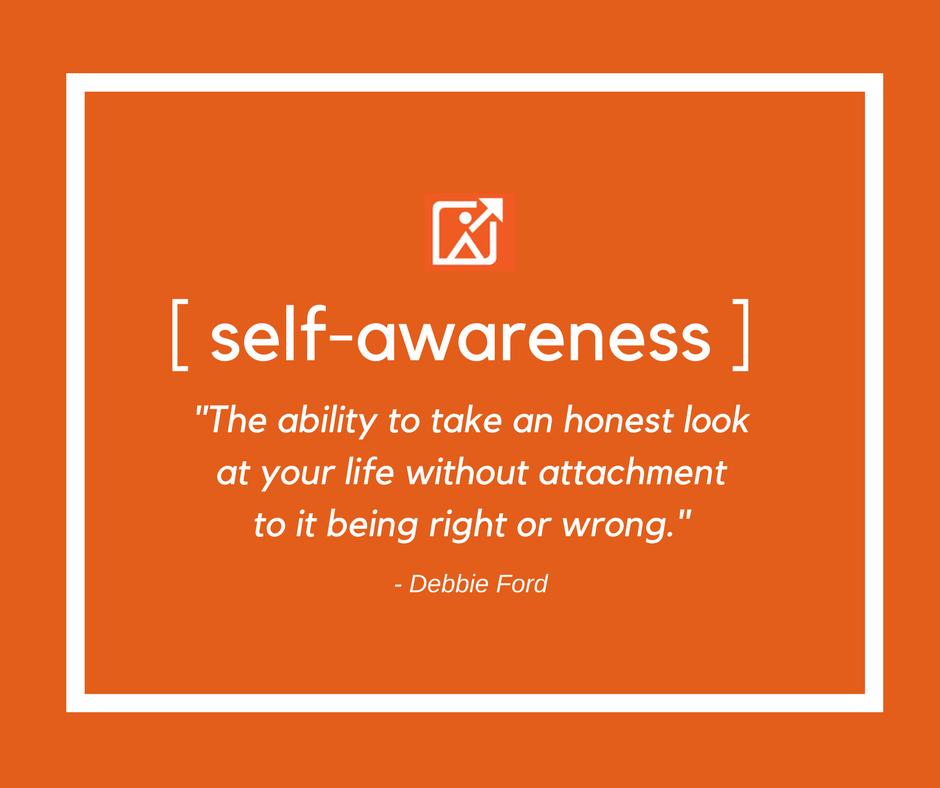
Being honest with ourselves does not mean always doing what we want. It means understanding why we do what we do.
How Do We Begin to Change?
In coaching, thoughtful, awareness-building questions help us understand our behavior and discover options we may not have previously considered.
Therefore, before attempting to change any behavior, ask yourself:
1. Why am I really doing this?
Is it driven by conviction, fear, habit, or a sense of responsibility?
2. Does my behavior align with my values, rights, and responsibilities?
3. What small step can I take today to act with greater awareness?
Your first step might be to pause before agreeing to a request, express your needs more clearly, or finally begin a habit you have been putting off for a long time.
The goal is not to transform your entire life in a single day, but to take one realistic step and then learn from your experience.
A Final Thought
Facing ourselves can sometimes be harder than facing others, because we may discover truths that challenge the image we have grown accustomed to holding of ourselves.
Yet, despite the difficulty, this confrontation can mark the beginning of deeper self-understanding and greater freedom of choice.
Awareness is not complete simply because we know the truth. It becomes meaningful when we allow that truth to change something about the way we live.
And one question remains:
Do we genuinely want to change, or do we simply want to feel that we have become more self-aware?
---
For Further Reading
For a deeper scientific understanding of these concepts, readers may wish to explore Albert Bandura's research on self-efficacy and Peter Gollwitzer's research on implementation intentions and translating intentions into concrete actions.