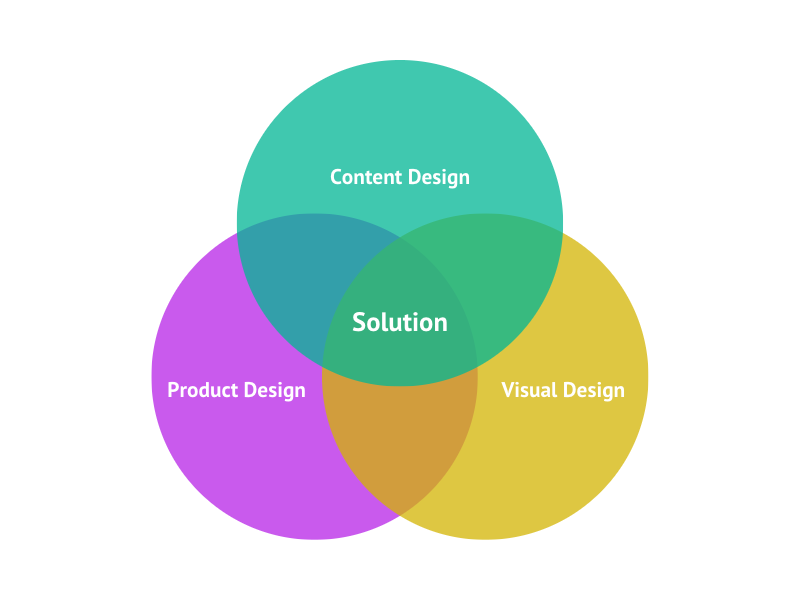
The integration of visual design with digital marketing has become a fundamental element in creating effective digital experiences. Design is no longer merely aesthetic; it functions as a strategic tool that directly influences user behavior and decision-making.
This integration relies on translating marketing objectives into clear visual messages supported by a deep understanding of digital audience behavior. Experience in managing digital channels shows that content designed around marketing strategies and data analysis achieves significantly higher engagement than random or unguided content.
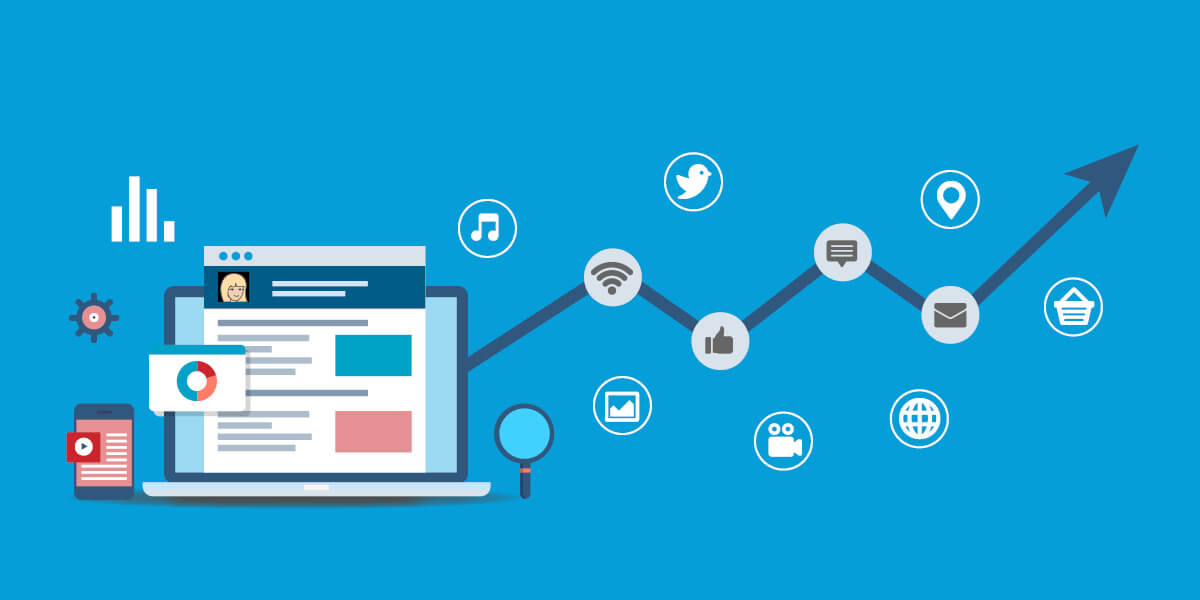
The value of this approach lies in linking digital design to performance indicators such as engagement rates and viewing duration, enabling measurable and continuously optimized content. This reflects a shift in digital marketing from simple publishing to data-driven impact.