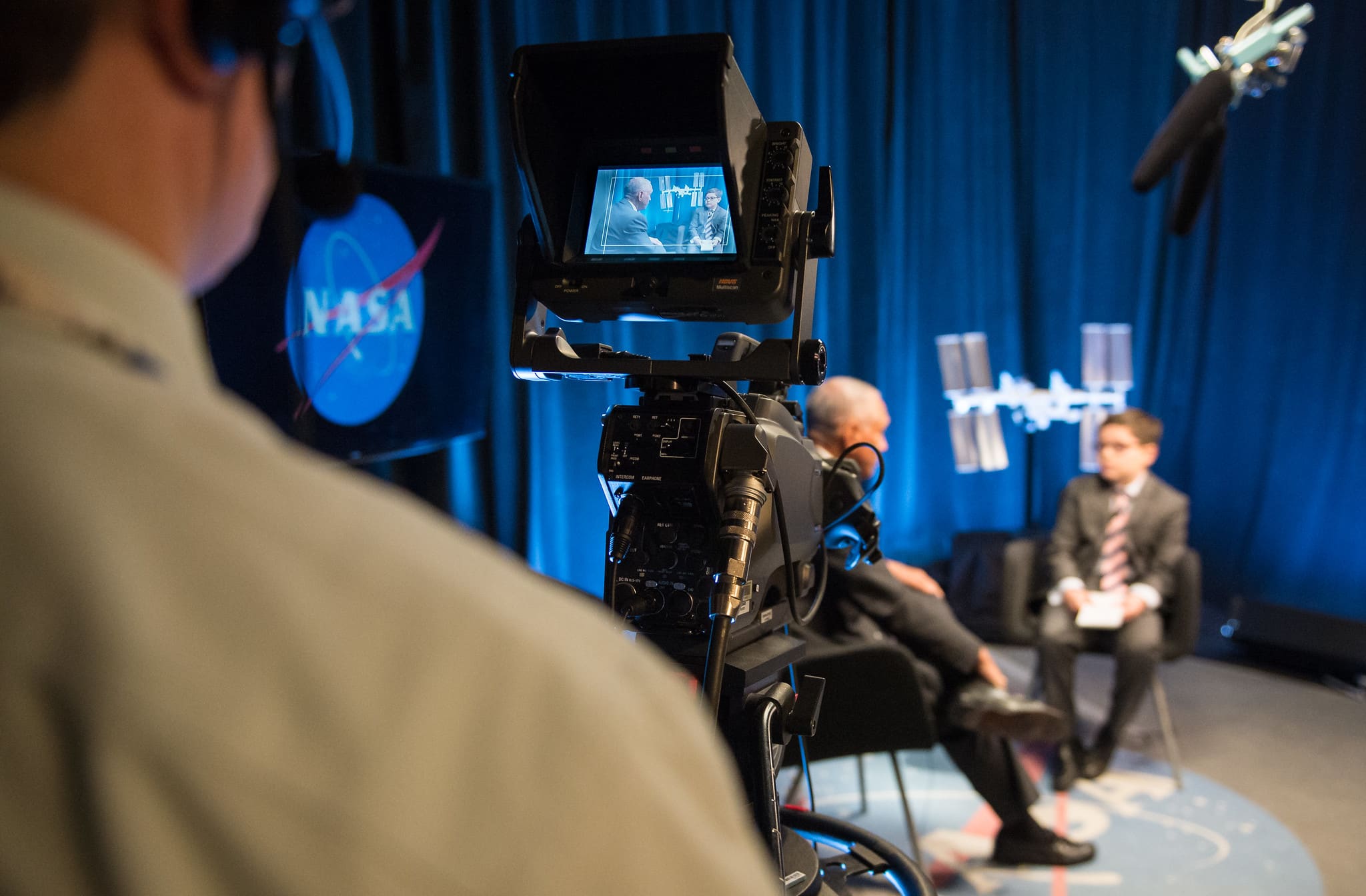
For over ten years, I have worked in media and in training broadcasters for radio and television, and I have learned that voice and facial expressions are what truly distinguish a professional broadcaster. The voice is not merely a means of delivering news; it is a powerful tool for influencing viewers and listeners, building trust and credibility, and creating a complete media experience.
Voice control starts with breathing, as the broadcaster’s breath directly affects tone and rhythm. I often see new broadcasters strain their voices due to stress or poor breath control, resulting in choppy or rushed delivery. I have learned that practicing deep breathing before going live and using varied intonation based on the content makes the voice steadier and more professional.
But voice alone is not enough. Facial expressions and body language play a critical role, even in radio, as they influence delivery and the energy transmitted to the audience. When I work with trainees, I focus on how to use subtle facial expressions to add credibility to their words and how to maintain eye contact on television to foster viewer trust and engagement.
In practical experience, a professional broadcaster knows how to balance voice and expressions in a way that makes the message clear and impactful. For example, presenting breaking news requires a different tone and delivery style than hosting an entertainment segment, and this is where a broadcaster’s skill in controlling voice and expressions shines.
Ultimately, true skill lies in integrating voice and expressions with content so that the delivery is seamless, cohesive, and capable of leaving a lasting impression on the audience. Media is not just about words; it is a complete experience built by the broadcaster through voice, style, and personal presence.